

AIfA News
Overview of all news and events.
Nachrichtenübersicht
-
 © Angie Veronica
The life of central radio galaxies in clusters: AGN-ICM studies of eRASS1 clusters in the ASKAP fields
Read more -
© ESA/Euclid/Euclid Consortium/NASA
Euclid Consortium: New images and science results from the Euclid space telescope
Read more -
 © Martin Wein - General Anzeiger
On new paths into the universe - An interview with Prof. Dr. Cristiano Porciani
Read more -
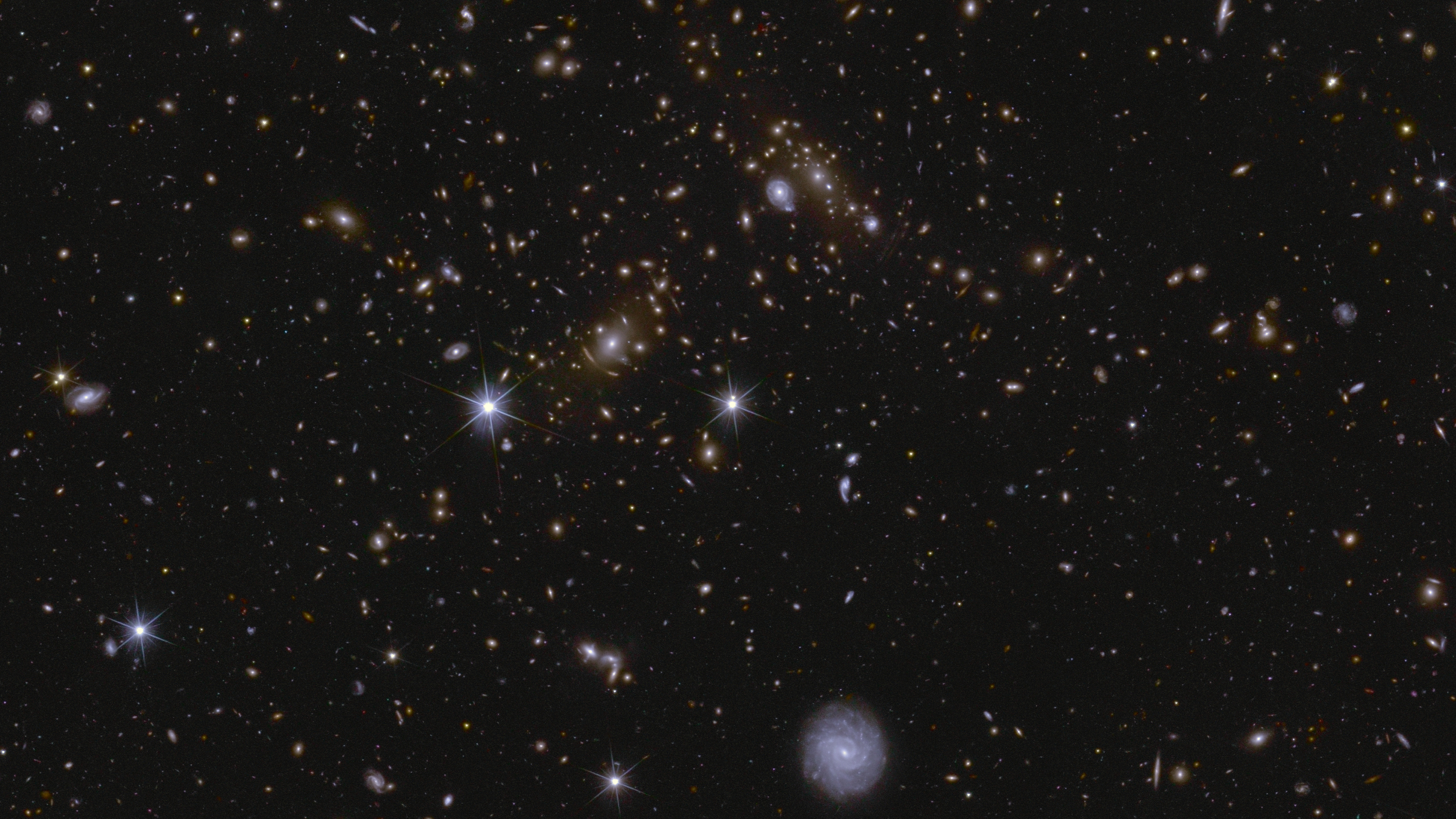 © ESA/Euclid/Euclid Consortium/NASA, image processing by J.-C. Cuillandre, E. Bertin, G. Anselmi
Euclid opens data treasure trove, offers glimpse of deep fields
Read more -
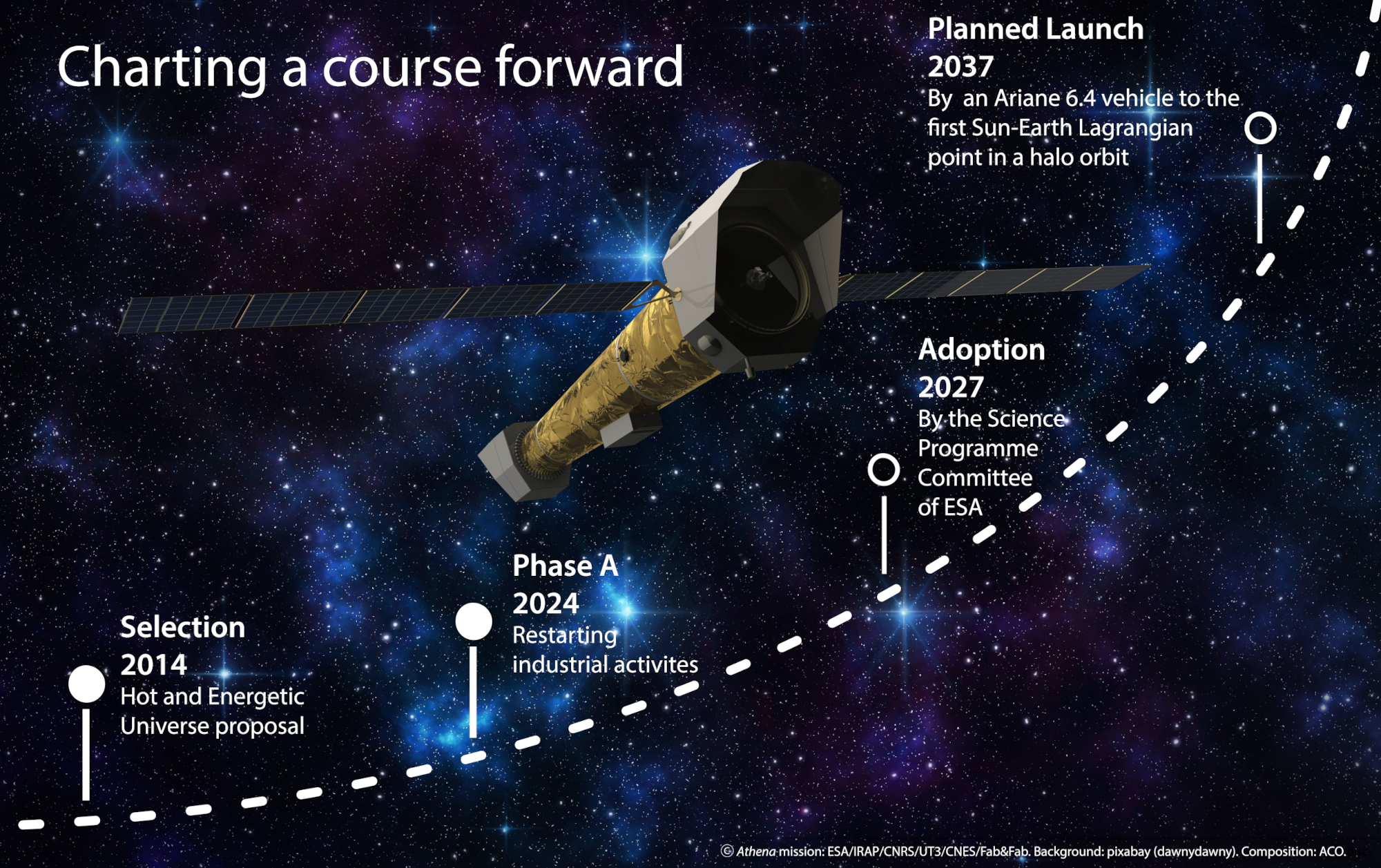 © Athena mission: ESA/IRAP/CNRS/UT3/CNES/Fab&Fab. Background: pixabay (dawnydawny). Composition: ACO.
The NewAthena mission concept in the context of the next decade of X-ray astronomy
Read more -
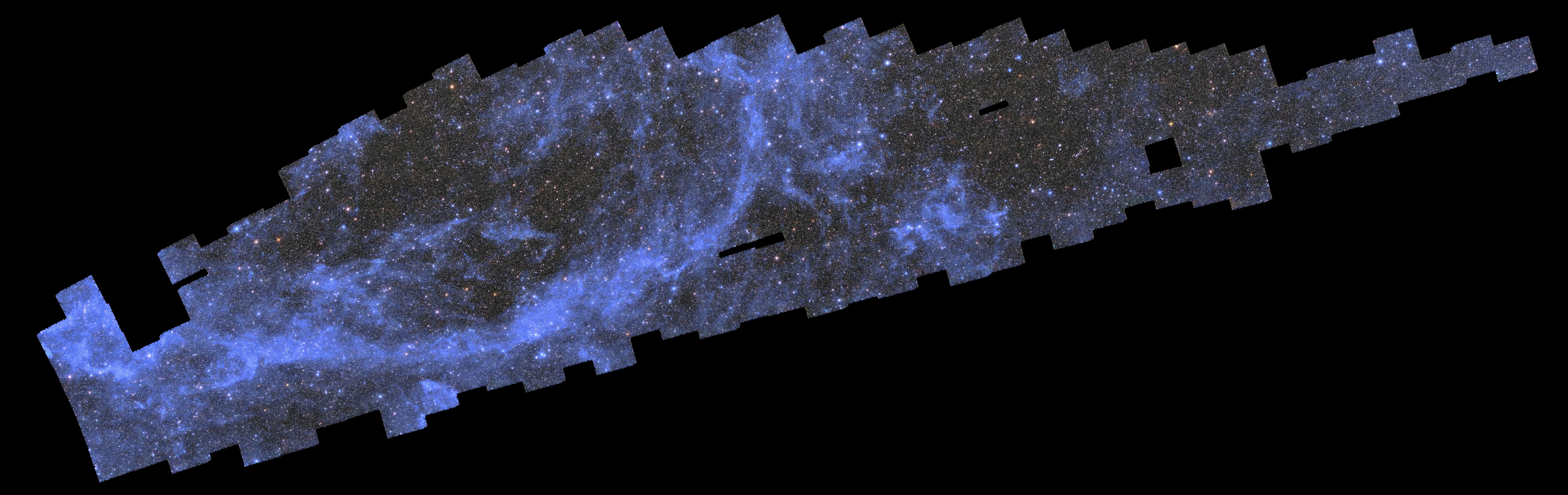 © ESA/Euclid/Euclid Consortium/NASA, CEA Paris-Saclay, image processing by J.-C. Cuillandre, E. Bertin, G. Anselmi (CC BY-SA 3.0 IGO)
Zoom into the first page of Euclid’s great cosmic atlas
Read more -
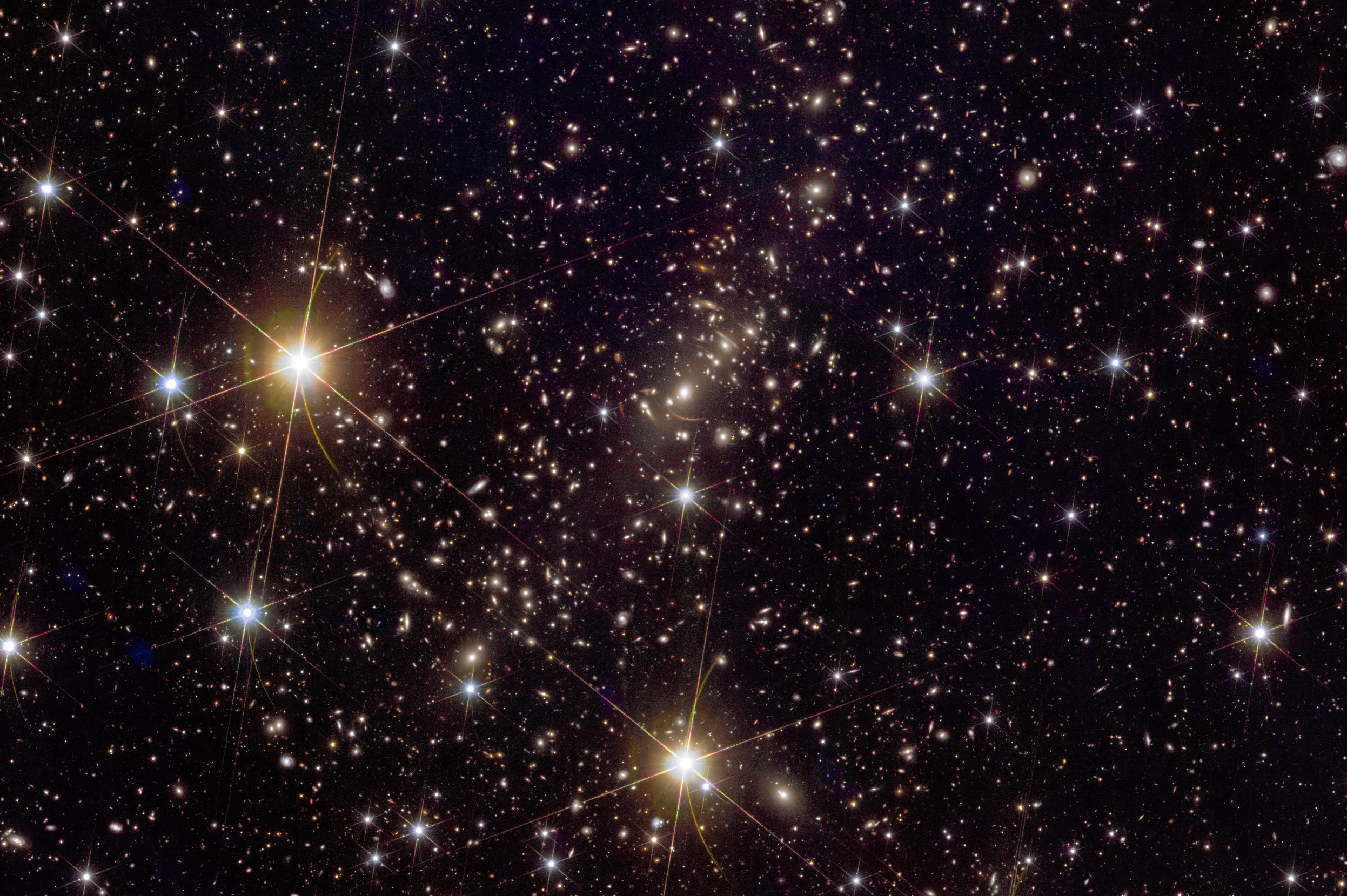 © ESA/Euclid/Euclid Consortium/NASA, Bildbearbeitung durch J.-C. Cuillandre, G. Anselmi; CC BY-SA 3.0 IGO
Euclid delivers first scientific results
Read more -
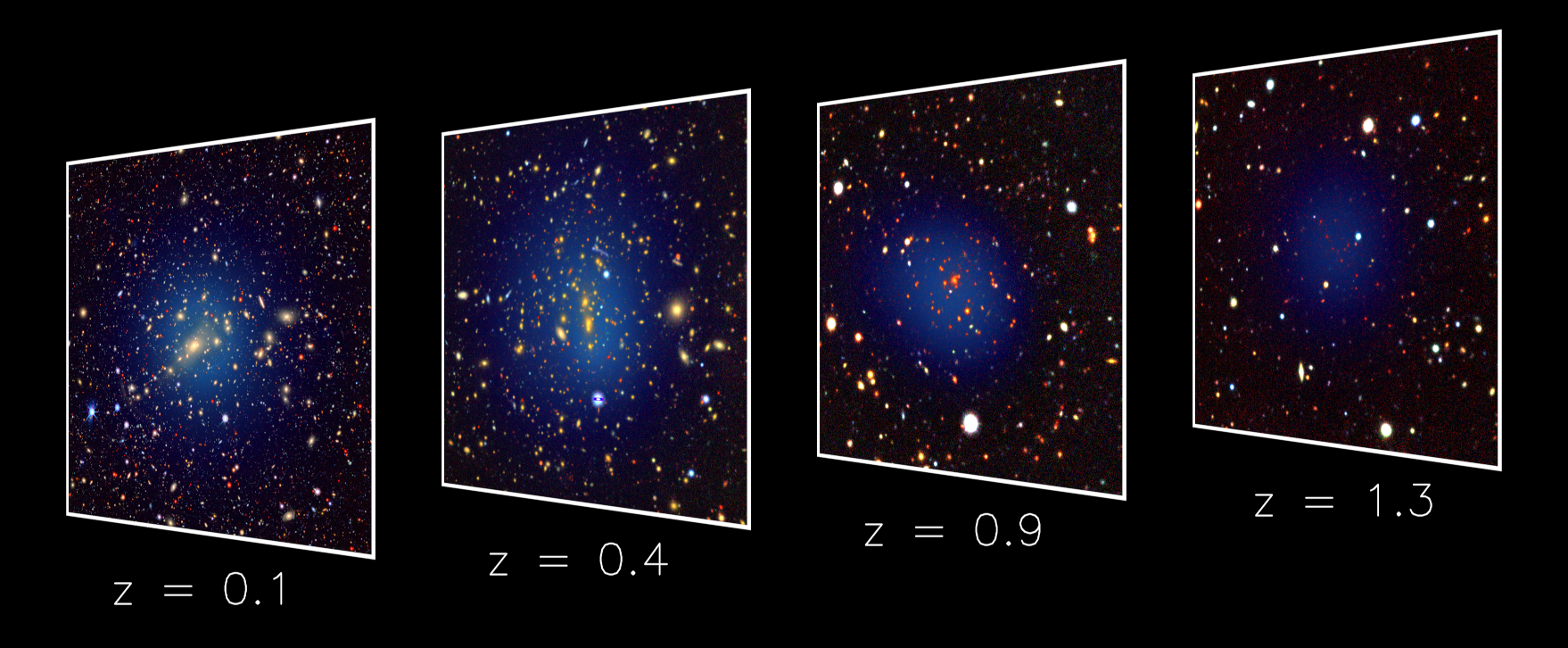 © M. Kluge, C. Garrel; Optische Wellenlängen: Legacy Survey DR10, Röntgen: eROSITA
eROSITA relaxes cosmological tension
Read more -
 © Universität Bonn / YouTube
Cluster initiative "Our dynamic universe" into the next round
Read more



Events
Radioastronomie – das Universum in langen Wellenlängen
Hörsaal, Argelander-Insti...
07:00 PM - 09:30 PM
The “Bonner Sternenhimmel” series is organized in collaboration between the Bonn Public Observatory, the Argelander Institute for Astronomy, and the MPI for ...
Hands-on Radio Astronomy - DIGITAL@School Campus
Telekom Forum Bonn, ...
08:30 AM
We will once again be part of the DIGITAL@School Campus (Deutsche Telekom) with a market stall on the theme of “Astronomical Data Sets”. Our LEGO model of the ...
Die Struktur der Milchstraße
Radioobservatorium ...
05:00 PM
The Milky Way home to very old stars. Today, scientists believe that the formation of our galaxy began about 300 million years after the Big Bang. New stars ...